
Cardoso Estate Planning Firm > Singles
Estate Planning for Singles
Author: Danielys Cardoso | 5 min of lecture | july 30, 2025
Why Single People Need Estate Plans Too?
If you’re single—whether by choice, circumstance, or in a transitional phase—it’s easy to think estate planning doesn’t apply to you. But the opposite is true. Without a spouse or children to automatically inherit or make decisions on your behalf, you need a plan even more to ensure your wishes are honored.
Estate planning for singles is about independence, control, and peace of mind. It allows you to choose:
- Who manages your money if you can’t
- Who makes medical decisions on your behalf
- Where your property goes after death
- What happens to your online accounts, pets, or business interests
Without a plan, strangers—or the state—could be making these decisions for you.
Legal Risks of Not Having a Plan When You're Single
If you pass away or become incapacitated without estate planning documents in place, state law takes over. The consequences may include:
- Your closest relatives inheriting everything, even if you’re estranged
- The court appointing a guardian to manage your finances or make medical decisions
- Delays in settling your estate due to probate
- Confusion and stress for friends or loved ones left behind
If you live alone, run your own business, or have complex financial holdings, the risks grow even larger. Planning ahead ensures control and clarity.
The 5 Essential Estate Planning Documents for Single Adults
Regardless of your age or assets, every single adult should have these foundational documents.
– Will and Revocable Living Trust
- A will directs who inherits your property and names an executor to manage your estate.
- A revocable living trust avoids probate and allows you to manage how and when your assets are distributed.
A trust is especially helpful if you have significant assets, own real estate, or want to provide for someone over time rather than all at once.
– Durable Power of Attorney
This document lets someone you trust manage your finances if you become incapacitated. Without it, no one—not even your parents or siblings—can legally act on your behalf without going to court.
– Healthcare Proxy and Living Will
- A healthcare proxy names someone to make medical decisions if you’re unable.
- A living will outlines your wishes regarding life support, organ donation, and end-of-life care.
This is especially important if you don’t have a next of kin who understands or supports your choices.
Choosing the Right People to Make Decisions for You
One of the biggest decisions in estate planning for singles is selecting:
- An executor for your will
- A trustee for your trust
- A power of attorney for finances
- A healthcare proxy for medical decisions
Choose people who are:
- Responsible and organized
- Trustworthy
- Willing to follow your wishes—even if others disagree
If you don’t have close family, consider a trusted friend, a professional fiduciary, or even an attorney.
Strategies for Leaving a Legacy Without Heirs
Just because you’re single doesn’t mean you lack a legacy. In fact, you may have more freedom to support causes and people who matter most.
Options include:
- Leaving assets to nieces, nephews, or friends
- Donating to charities, religious organizations, or scholarship funds
- Creating a donor-advised fund or private foundation
- Naming an LGBTQ+ group, animal rescue, or arts organization as a beneficiary
Be sure to update beneficiary designations on your financial accounts and insurance policies to reflect your intentions.
Addressing Debts, Digital Assets, and End-of-Life Wishes
Modern estate plans must also cover less traditional—but equally important—topics:
- Debt management: Specify how debts should be paid, especially if you have co-signers or joint accounts.
- Digital assets: Include logins and preferences for social media, email, cloud storage, or cryptocurrency.
- Funeral and burial wishes: If you have preferences (cremation, donation to science, specific services), write them down in a Letter of Instruction and notify your executor.
These details offer comfort and clarity to those managing your affairs.
Estate Planning Considerations at Different Stages of Single Life
Your needs will evolve as your life changes. Here’s what to prioritize by stage:
Stage | Estate Planning Focus |
Young Professional | POA, healthcare proxy, basic will |
Single Parent | Guardianship in will, trust for children |
Entrepreneur | Business succession, asset protection |
Midlife & Retired | Trusts, charitable giving, health care planning |
Aging Solo | Long-term care planning, successor agents, Medicaid eligibility |
Regularly review and update your plan every 3–5 years or after major life events (move, inheritance, illness).
FAQs: Estate Planning for Singles
Do I really need a will if I don’t have kids or a spouse?
Yes. Without a will, your assets may go to distant relatives—or the state—rather than the people or causes you care about.
What if I don’t have anyone to name as executor or agent?
You can appoint a professional fiduciary, attorney, or trust company. Don’t leave it to chance.
How much does estate planning cost for a single person?
Basic plans may range from $800–$2,500, depending on complexity and location.
Do I need a trust if I’m single?
Not always—but it’s helpful for probate avoidance, complex assets, or privacy. An attorney can advise based on your goals.
Can I leave everything to a charity?
Absolutely. You can use your will, trust, or beneficiary forms to direct assets to any 501(c)(3) organization.
Take Control of Your Future, Today
Estate planning for singles is about protecting your independence, empowering your voice, and crafting a future that reflects your values. Whether you’re young and thriving or aging solo, the right plan gives you:
- Legal authority over your finances and health
- Control over your assets and legacy
- Peace of mind—for you and your loved ones
Work with an experienced estate planning attorney for single individuals to create a plan that fits your life, your choices, and your future.
Contact Us
Free Consultation
(813) 422-2118
Share:
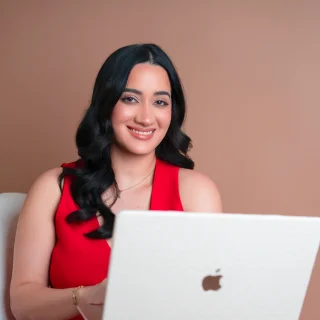
Danielys Cardoso is a Florida-based Estate Planning Attorney and founder of her own firm. She helps families, professionals, and couples—married or not—create personalized plans to protect their legacy and loved ones. With years of legal experience, Danielys is known for making estate planning clear, approachable, and empowering.